Three weeks in a hostel is an adventure. Three months is a slow argument with your own suitcase. At some point most digital nomads want a base: a kitchen, a desk, a chair that doesn't fold away, and neighbours who stop asking where you're from.
The difficult part isn't finding a flat. It's finding one you can trust from another country, in a language you may not speak, from someone you've never met — and working out how much money to hand over before you've seen the place.
Start with the length of your stay, not the city
Where you should look depends on how long you're staying. Rental markets abroad are usually split into three tiers: nightly, monthly, and a proper tenancy. Ask which one you're being quoted for, because the price, the paperwork and your rights differ in each.
A furnished monthly let of one to three months is normally flexible, all-inclusive and priced for the convenience. A real tenancy of six or twelve months costs less per month but usually wants a deposit, a contract, proof of income or a local bank account, and a notice period you can't escape early.
Decide which you actually want before you start messaging. If your plans are loose, pay the premium for flexibility. If you're settling for a year, expect admin and take it seriously.
Where to search — and what each source is good for
No single site covers every city, so use two or three at once.
- Long-stay booking platforms. Good for your first month, when you'd rather pay more than risk a scam. Monthly discounts are common, and payment is usually held by the platform rather than the host.
- Local classifieds. The country's equivalent of Gumtree. Cheaper and more varied, with almost no protection. Fine if you can view in person.
- Facebook groups and forums. Search for "flats for rent in [city]" plus the nomad and expat groups for that city. This is where sublets and handovers appear, often furnished, often from a tenant who needs to leave early.
- Letting agents. More formal, more paperwork, longer contracts. Worth it if you're staying put and want a legal tenancy.
- Word of mouth. The best places never get listed. Ask at coworking desks, in cafés, on hostel noticeboards. Say the dates you need out loud, to everyone.
Spot the listing that isn't real
Scams follow a script. Once you've seen a few, they're easy to recognise.
- A price well below everything else in the area. This is the single most reliable warning sign.
- The owner is "abroad" and can't show you the flat in person or on a live video call. Keys are with a relative or a courier who needs paying first.
- Pressure to decide today, usually with a story about other interested tenants.
- Payment by transfer to a personal account in another country, or by anything untraceable.
- Photos that appear on other listings or on hotel websites. A reverse image search takes ten seconds.
- No contract, no receipt, and a bank account in a name that doesn't match the landlord's.
What to check before you pay a deposit
Insist on a live viewing
A recorded video proves nothing; it could be years old. Ask for a call and direct it yourself. Have them walk to the window and show the street, run a tap, open the fridge, show the router. If they can't or won't, walk away.
Know exactly who you're paying
Ask for photo ID and a utility bill or company registration, and check the name against the account you're transferring to. If the contract is in one name and the bank account in another, ask why in writing and keep the answer.
Read the contract before the money moves
Get it in writing, in a language you can read, with a translation if needed. You want to know the notice period, what's included (bills, internet, cleaning), how the deposit is returned, and who is responsible for repairs.
Pay in stages, and keep a trail
A small holding payment to reserve a place is normal. Three months up front, before you've seen anything, is not. Pay only what the contract requires, use a traceable method, and get a receipt every time.
Deposit rules vary widely between countries. Some require deposits to be held in a government-backed protection scheme; others leave them with the landlord, who decides what to return. Registration requirements for foreign residents differ too, and some places expect your address to be registered with the local authority. Check the rules for your specific country before signing — and if a large sum or a long contract is involved, it's worth paying a local lawyer to look over the paperwork.
The things people forget until week two
- Ask for an internet speed test, and what happens if the connection fails.
- Confirm what's included and what isn't: electricity, water, gas, cleaning, linen, local or building charges.
- Find out whether you can use the address for a bank account, visa paperwork or deliveries.
- Check the deposit deduction rules in writing, including fair wear and tear.
- Save everything — contract, arrival photos, meter readings, receipts — in one folder.
A sequence that works
- Set your dates, budget and minimum standard.
- Shortlist a handful of places across at least two sources.
- Book a live video viewing, or visit in person if you're already in the city.
- Ask for the contract, ID and payment details.
- Pay the smallest amount the contract allows, by a traceable method.
- Photograph the flat on moving-in day and note the meter readings.
Expect the first week to be admin: registering, sorting a SIM card, opening a bank account, learning which supermarket is cheap. That's normal. Once the keys are in your hand and the deposit is safely documented, the rest of the city opens up — and you can stop living out of a suitcase.
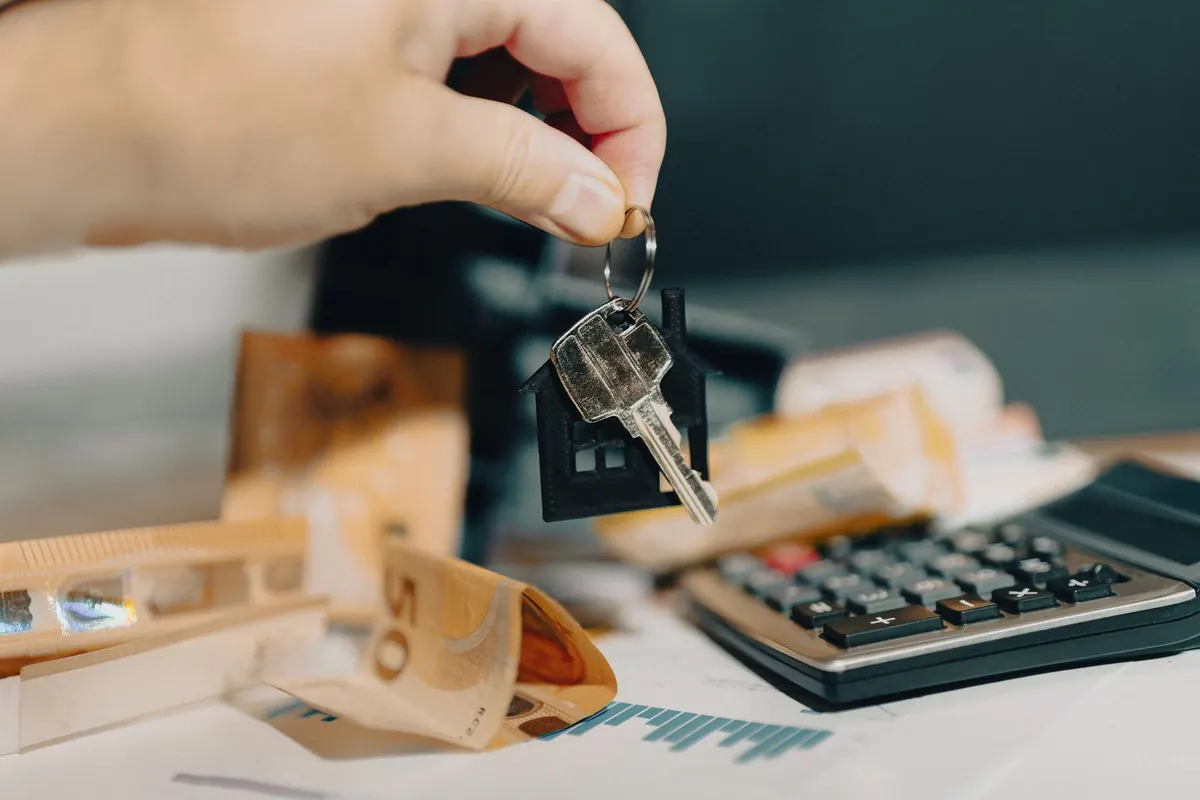
Photo: Jakub Zerdzicki / Pexels